Stainless Steel vs Plastic Lunch Boxes: Why Businesses Are Switching
For retailers, distributors and brands that source lunch boxes in bulk, the material decision matters twice: once at the factory, and again on the shelf. Plastic is cheap and familiar; stainless steel costs more but keeps proving its value in safety, durability and brand perception.
This guide compares both materials across the criteria B2B buyers actually use, and explains what the differences mean for your next OEM order.
1. Food safety and compliance
Plastic lunch boxes rely on polymers that can degrade with heat, acidic food and repeated dishwasher cycles. Even food-grade plastics must be carefully specified to avoid BPA, phthalates or chemical migration into hot meals.
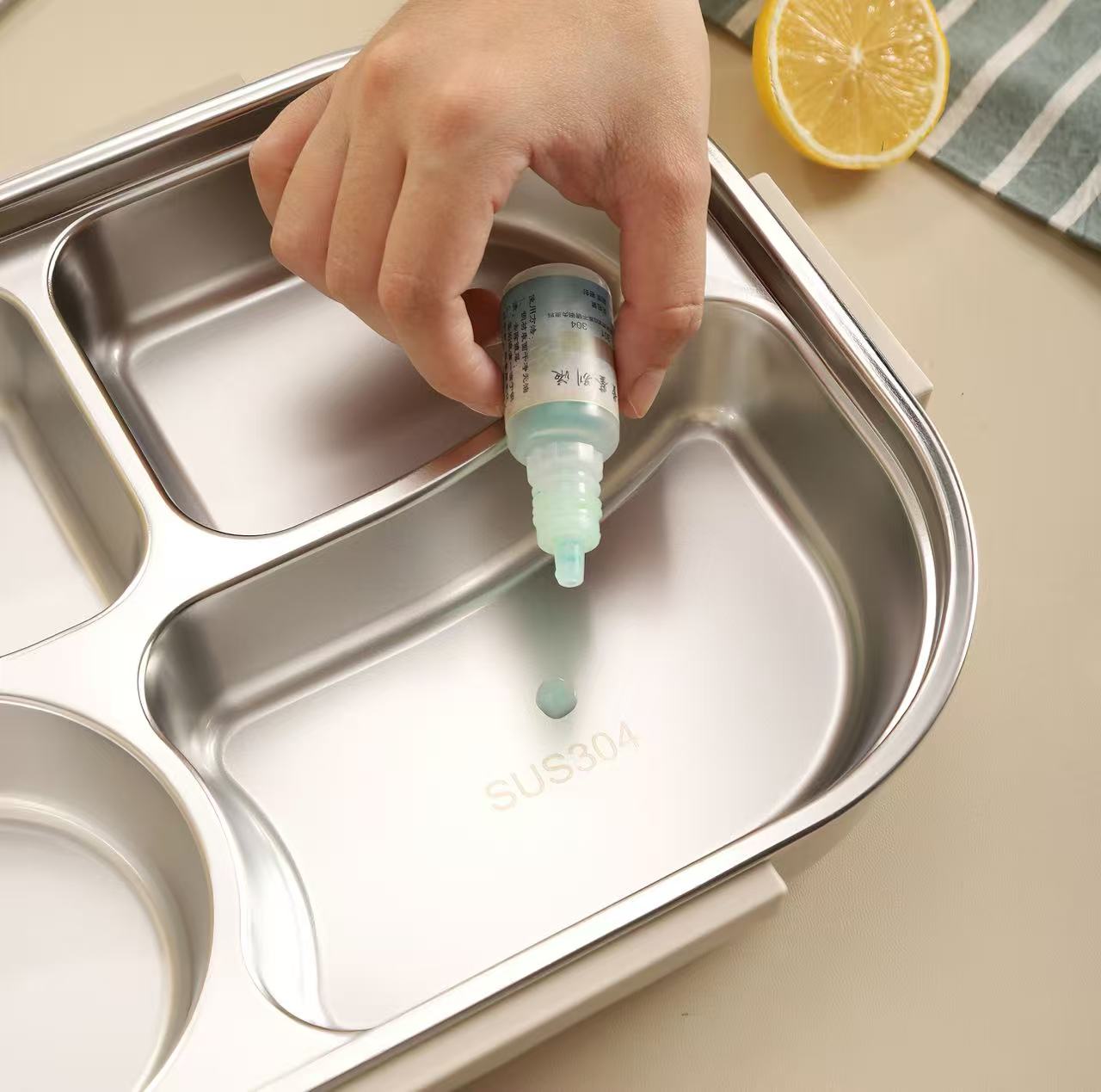
Stainless steel in grades 304 or 316 is non-porous, does not leach chemicals and stays stable at high temperatures. That is why international food-contact standards such as FDA, LFGB and EU regulations treat stainless steel as a low-risk material. For children’s lunch boxes, safety is often the deciding factor for school and retail buyers.
2. Durability and total cost of ownership
A plastic box may crack after months of drops, microwave use and rough handling. Stainless steel bodies resist impact, do not stain easily and keep their appearance after years of use.
Although the unit cost of stainless steel is higher, the longer service life lowers the cost per use. For brands that offer warranties or want fewer returns, this matters more than the initial purchase price.
3. Insulation and temperature performance
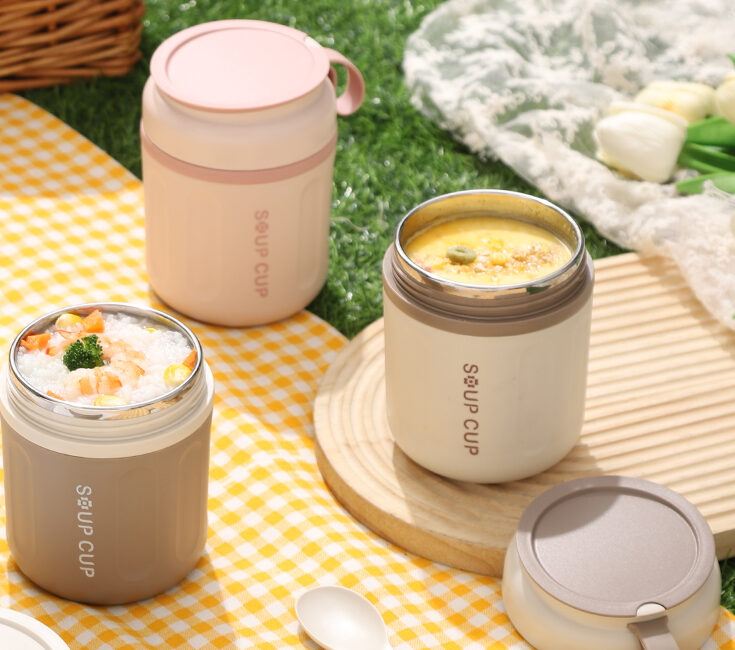
Plastic is a poor insulator and can warp under high heat. Stainless steel, especially with double-wall vacuum construction, keeps food warm for 4-6 hours, which suits office workers, outdoor use and meal-prep brands.
4. Eco-friendly positioning
Single-use plastic is under regulatory and consumer pressure worldwide. Stainless steel is fully recyclable, BPA-free and can be marketed as a reusable, sustainable choice. Brands switching to steel gain a cleaner sustainability story without complex recycling claims.
5. Design and OEM flexibility
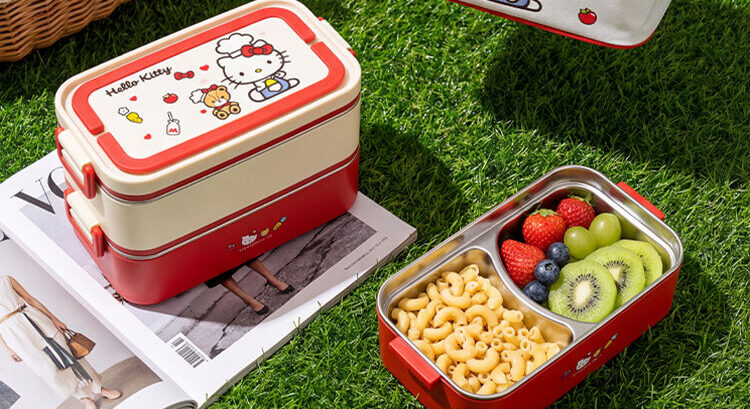
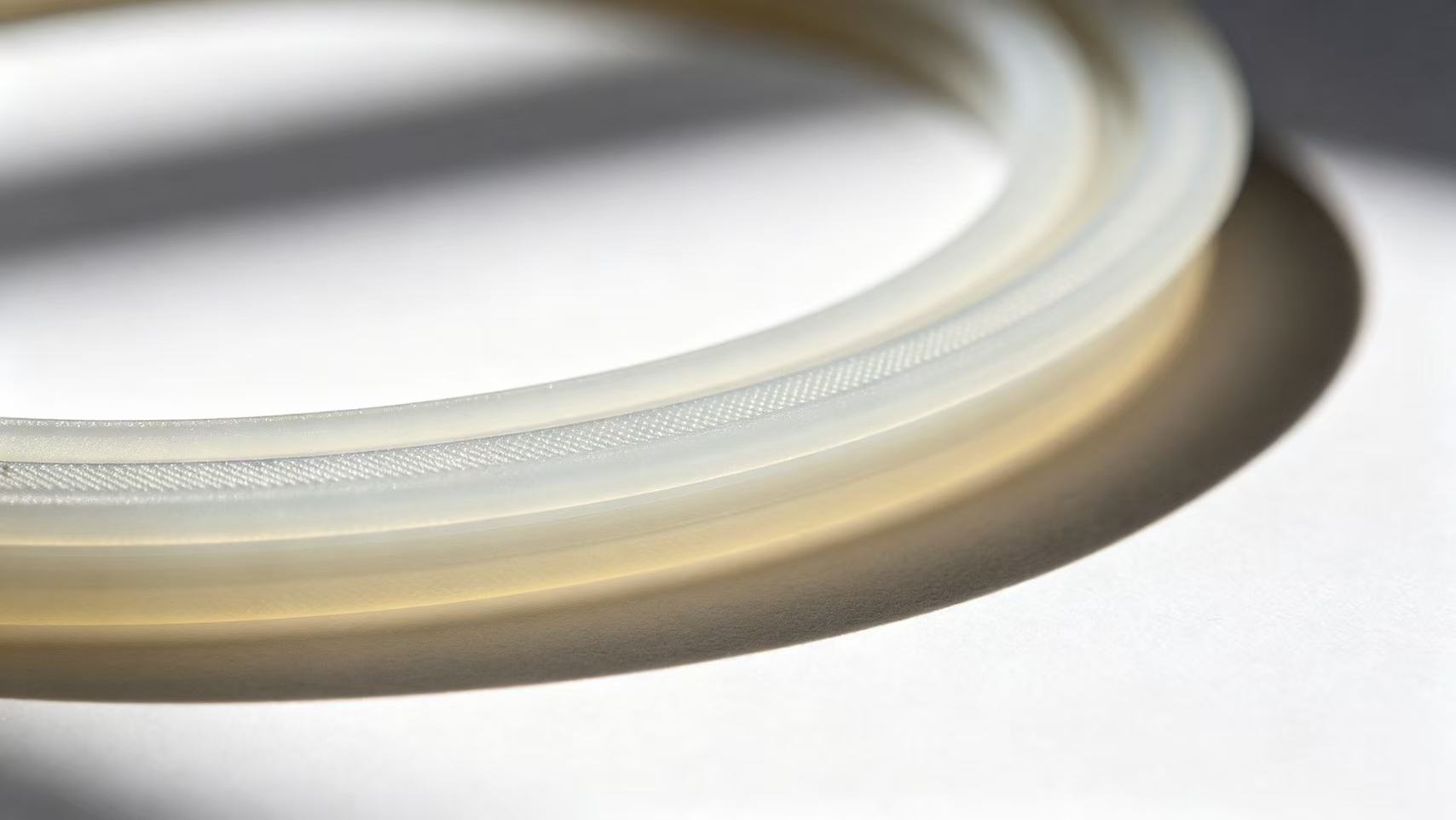
Modern stainless steel lunch boxes now offer divided compartments, leak-proof silicone seals, powder-coated colors and custom branding. OEM factories can produce custom sizes, compartment layouts and packaging in 304 or 316 steel, while matching the visual appeal that plastic once dominated.
Stainless steel vs plastic: quick comparison
Criterion
Stainless steel (304/316)
Plastic
Chemical safety
Non-porous, no leaching, FDA/LFGB friendly
Grade-dependent; risk of BPA/phthalates if not specified
Durability
Impact-resistant, long lifespan
Can crack, stain and warp
Heat / insulation
Handles hot food; vacuum models keep warm 4-6h
Poor insulator; risk of deformation
Eco image
Fully recyclable, reusable
Recycling depends on local programs
Unit cost
Higher
Lower
Customization
Colors, logos, compartments, packaging
Wide options, but less premium feel
FAQ
Is stainless steel lunch box more expensive than plastic? Yes at unit level, but the longer lifespan and lower return rate reduce total cost of ownership for bulk buyers.
Can stainless steel lunch boxes go in the microwave? No. Stainless steel is not microwave-safe. Plastic that is labeled microwave-safe can be used, but must be food-grade and BPA-free.
Are stainless steel lunch boxes safe for children? Yes. Food-grade 304/316 steel is BPA-free and non-toxic, and many school programs prefer it to plastic.
What should B2B buyers do next?
If you are sourcing for a retail program, corporate gifting or a school supply contract, ask suppliers for material certifications (FDA/LFGB/SGS), inspection reports and sample testing before committing to MOQ.