Lunch Box Safety Standards: What International Buyers Must Know
A lunch box that looks identical can be very different inside: material grade, coatings, seals and printing inks all affect food safety. For importers and brands, understanding the main standards is not paperwork – it is how you protect your customers and your reputation.
Food-grade materials: 304 vs 316 stainless steel
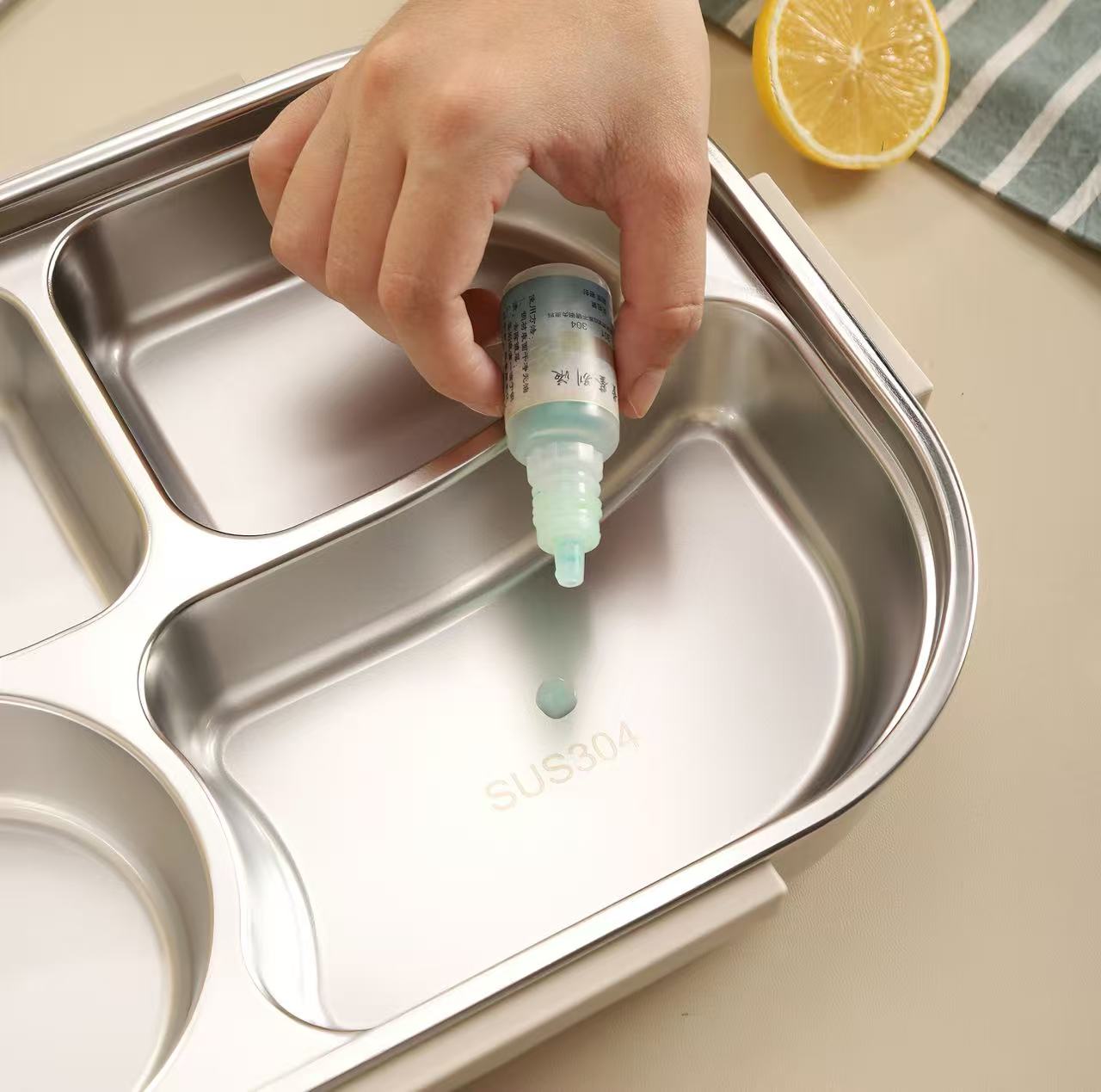
The most common food-contact grades are 304 (18/8) and 316 stainless steel. Both are non-porous, do not leach chemicals and resist rust in normal use. 316 adds molybdenum for higher corrosion resistance, which suits acidic foods and demanding environments. Ask your supplier for a material certificate confirming the grade rather than relying on a label.
Plastic parts: BPA and phthalates
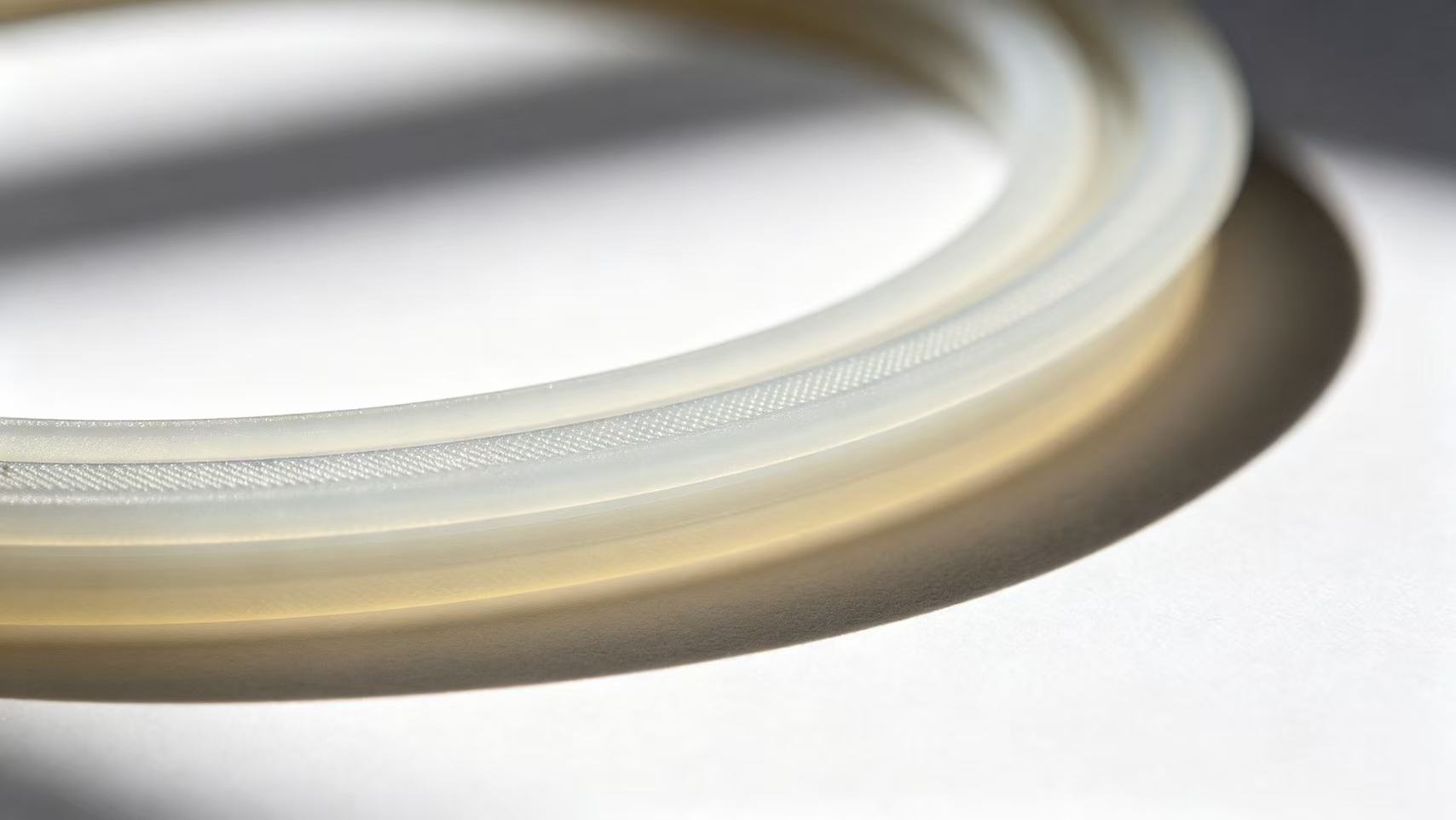
Many stainless steel lunch boxes include polypropylene (PP) lids, dividers or seals. Food-grade PP is BPA-free, but grades and additives vary. Insist that all plastic and silicone parts are food-contact grade and free of BPA and phthalates, and request test reports as evidence.
Key standards by market
FDA (United States) – regulates food-contact substances under FDA 21 CFR; FDA-compliant materials are the baseline for the US market.
LFGB (Germany / EU reference) – stricter than many national rules; German LFGB testing is widely accepted across Europe and often requested by EU retailers.
EU Framework Regulation 1935/2004 and 10/2011 – the general food-contact framework and the specific plastic materials regulation used in the EU.
GB 4806 (China) – the Chinese national food-contact standard that local factories must meet for export-ready production.
Prop 65 (California) – a warning-label regulation that brands selling into California should confirm compliance with their supplier.
Certifications and documents to request
A responsible factory should be able to share: material certificates for 304/316 steel and food-grade plastics; FDA/LFGB or equivalent test reports; ISO 9001 quality management certification; a BSCI or similar social compliance audit; and SGS or third-party inspection reports for individual shipments.
Questions to ask before ordering
Which grades are used for the body, lid, dividers and seals?
Can you provide FDA and LFGB test reports for this exact model?
Are printing inks and coatings food-contact safe?
Do you run batch testing, or only certification for the material?
Can third-party inspection be arranged before shipment?