Is Stainless Steel Tableware Safe? 304 vs 316L Explained
Is Stainless Steel Tableware Safe?
When choosing lunch boxes, food containers, or kitchenware, many buyers ask the same question: Is stainless steel tableware safe for everyday use?
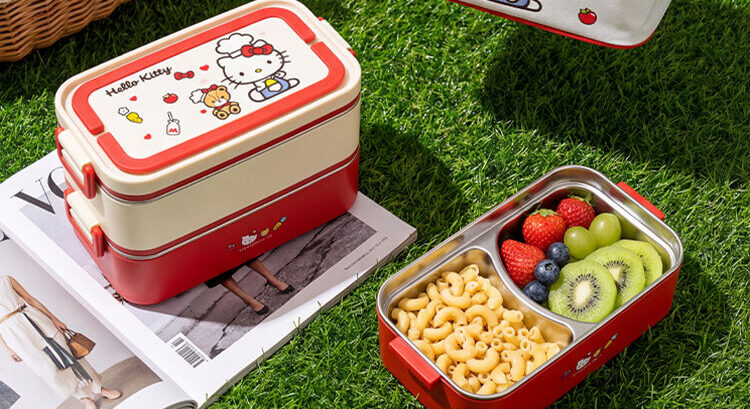
The answer is yes. Food-grade stainless steel is one of the safest and most durable materials used in food-contact products. It does not contain BPA, resists corrosion, and maintains its quality even after years of daily use. As a result, stainless steel has become the preferred material for households, schools, restaurants, and food service businesses around the world.
However, not all stainless steel is the same. Among the different grades available, 304 and 316L stainless steel are the most common choices for high-quality lunch boxes and food containers. Understanding their differences can help consumers and brands make the right purchasing decision.
Why Food-Grade Stainless Steel Is Safe
Food-grade stainless steel contains chromium, which forms a protective oxide layer on the surface. Therefore, the material naturally resists rust and corrosion while preventing unwanted reactions with food.
Compared with plastic containers, stainless steel offers several important advantages.
BPA-free and non-toxic
Resistant to rust and corrosion
Does not absorb food odors or stains
Easy to clean and sanitize
Suitable for hot and cold foods
Durable enough for years of repeated use
Environmentally friendly and recyclable
Because of these benefits, food-grade stainless steel has become a trusted material for lunch boxes, food storage containers, and children’s tableware worldwide.
What Is 304 Stainless Steel?
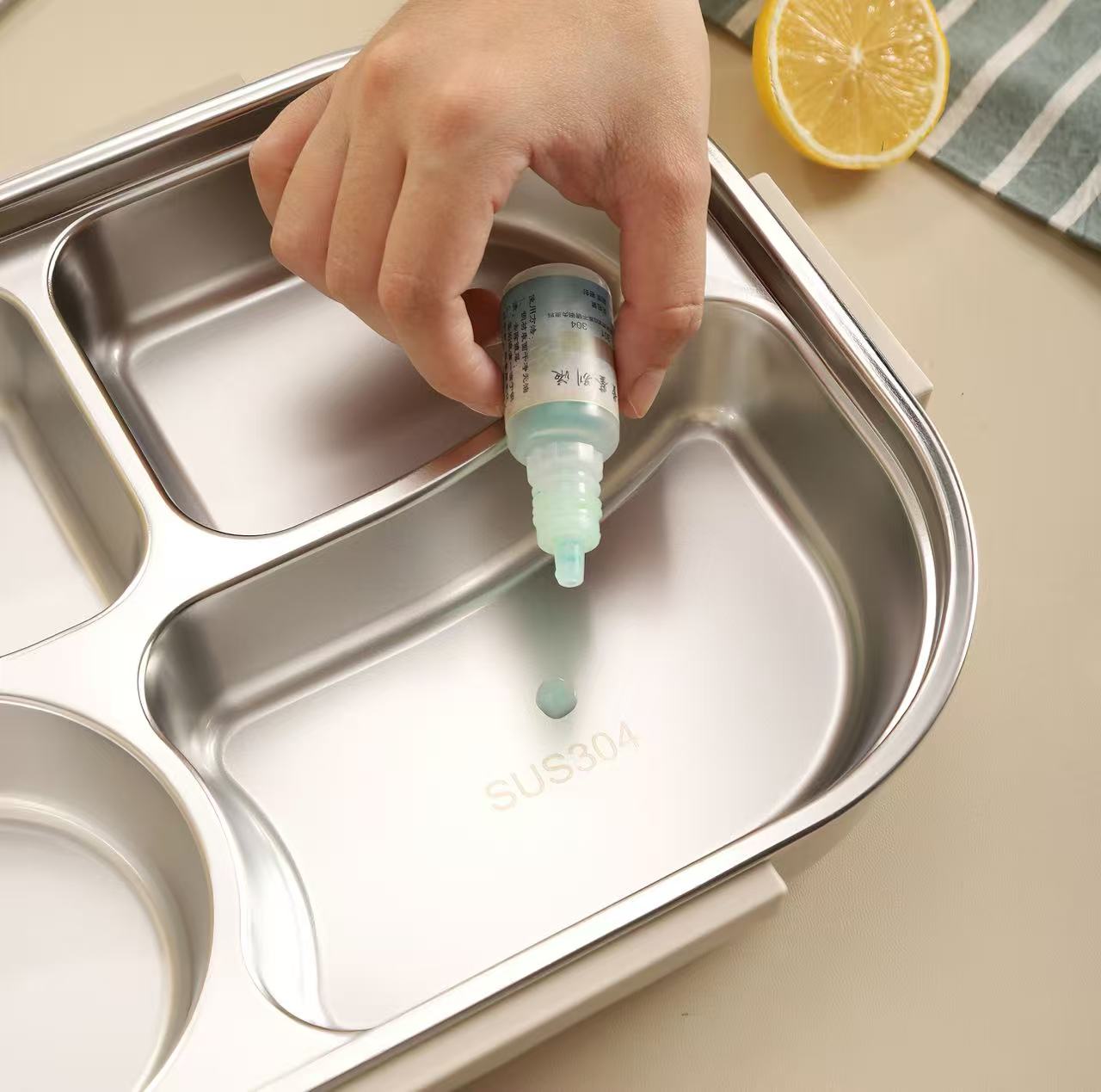
304 stainless steel is the most widely used food-grade stainless steel in the world. It contains approximately 18% chromium and 8% nickel, giving it excellent corrosion resistance, strength, and durability.
In addition, 304 stainless steel meets the requirements for most food-contact applications. Manufacturers commonly use it to produce lunch boxes, bento containers, water bottles, food trays, and kitchen utensils.
Advantages of 304 Stainless Steel
Excellent food safety
Strong corrosion resistance
Affordable production cost
Long service life
Easy maintenance
Suitable for daily use
Overall, 304 stainless steel provides the best balance between performance and cost, making it the preferred choice for most OEM lunch box projects.
What Is 316L Stainless Steel?
316L stainless steel is an upgraded version of stainless steel that contains molybdenum. Because of this additional element, it offers even greater resistance to corrosion, especially in harsh environments.
For example, 316L performs better when products come into contact with saltwater, acidic foods, or high-humidity conditions.
Manufacturers often choose 316L stainless steel for:
Premium lunch boxes
Medical equipment
Marine products
Laboratory containers
High-end kitchenware
Although 316L provides superior corrosion resistance, it is also more expensive than 304 stainless steel.
304 vs 316L Stainless Steel: What’s the Difference?
Choosing between 304 and 316L depends on your product requirements, target market, and budget.
Feature
304 Stainless Steel
316L Stainless Steel
Food Safety
Excellent
Excellent
Corrosion Resistance
Very Good
Outstanding
Salt Resistance
Good
Excellent
Durability
High
Very High
Cost
More Affordable
Higher
Recommended For
Daily Lunch Boxes
Premium Products
In most cases, both materials are completely safe for food contact when manufacturers follow international quality standards.
Which Stainless Steel Is Better for Lunch Boxes?
For most lunch box manufacturers and global brands, 304 stainless steel is the preferred choice.
It offers excellent durability, reliable food safety, and competitive manufacturing costs. Therefore, it is widely used in school lunch boxes, office lunch containers, bento boxes, and food storage products.
On the other hand, brands targeting premium markets or customers living in coastal regions may choose 316L stainless steel because of its improved corrosion resistance.
How to Choose High-Quality Stainless Steel Tableware
Not every stainless steel product available on the market meets food-grade standards. Therefore, choosing the right manufacturer is just as important as choosing the right material.
Before placing an order, buyers should verify that the supplier provides:
Food-grade stainless steel materials
FDA or LFGB compliant products
SGS testing reports
ISO 9001 certified production
Complete quality inspection procedures
OEM and ODM customization services
Furthermore, experienced manufacturers can help brands develop customized lunch boxes while maintaining consistent product quality.
Why Global Brands Choose Shengke
Shengke is a professional lunch box manufacturer in China specializing in stainless steel and plastic lunch box solutions.
With more than 13 years of manufacturing experience, Shengke exports products to over 100 countries and supports global distributors, wholesalers, supermarkets, and private label brands.
Our manufacturing capabilities include:
OEM & ODM lunch box manufacturing
Custom logo and packaging
Injection molding
Stainless steel processing
Product assembly
Quality inspection before shipment
Bulk production with stable lead times
Moreover, every production process follows strict quality control standards to ensure consistent performance and reliable delivery.
Frequently Asked Questions
Is 304 stainless steel safe for children?
Yes. Food-grade 304 stainless steel is widely used in children’s lunch boxes because it is durable, BPA-free, and resistant to corrosion.
Is 316L better than 304?
316L offers better corrosion resistance than 304, especially in salty or humid environments. However, both materials are safe for food contact.
Can stainless steel lunch boxes replace plastic containers?
Yes. Stainless steel lunch boxes are reusable, durable, environmentally friendly, and free from BPA. As a result, many consumers now prefer stainless steel over disposable plastic containers.
Which material should OEM brands choose?
Most OEM lunch box projects use 304 stainless steel because it combines safety, durability, and cost efficiency. Premium brands may select 316L for specialized applications.
Conclusion
In summary, both 304 and 316L stainless steel are excellent choices for food-contact products. 304 stainless steel remains the most popular option because it offers outstanding durability, food safety, and value for money. Meanwhile, 316L stainless steel provides enhanced corrosion resistance for premium applications.
If you are looking for a reliable lunch box manufacturer or an experienced OEM & ODM lunch box supplier, Shengke provides high-quality stainless steel lunch boxes backed by strict quality control, advanced manufacturing capabilities, and global export experience.